- Empty cart.
- Continue Shopping


Playing games and psychological health are overlapping more than ever, particularly in high-risk strategic games https://turbomines.eu.com/. Turbo Mines, with its concentration on risk and predicting patterns, demands players for sharp focus, composure, and clarity of mind. Numerous who take the game seriously now utilize organized mindfulness methods to perform better. The goal isn’t to succeed in every round. It’s to create a psychological environment where wise decisions can occur, devoid of panic or impulsive recklessness.
In-play Methods for Mental Regulation
Feeling surges are a part of the game. Presence offers an ground when they hit. Try the “one-breath reset.” In the wake of a major moment—a massive bonus or a devastating bomb—take just one full, slow inhalation before you do anything else. That brief stop stops the chain reaction of pure emotion. One more useful approach is “noting.” Inwardly label the emotion as it arises: “annoyance,” “elation,” “greed.” Just labeling it creates distance. It enables you to observe the emotion without needing to react on it. Afterward you can go back to the game from a calmer place.
Pre-Session Grounding and Intention Setting
A mindful session starts before you even start the game. A short, simple routine draws your mind away from everyday clutter and toward a state of ready focus. Players often commence by setting a neutral, process-oriented intention. An example like “I’ll pay attention to when I feel risk-averse today” works. Avoid outcome-based goals like “I have to win 50 pounds.” Next, a brief grounding exercise helps. Try focused breathing or a quick scan of your body from head to toe. This calms your nervous system, lowers background anxiety, and readies your brain for the powerful concentration ahead.
- Find a calm spot and sit comfortably for two to three minutes.
- Set a timer and pay attention exclusively to the in-and-out of your breath.
- If your mind wanders to the game or your to-do list, gently guide it back to your breathing.
- Finally, state your specific, process-focused intention for the gameplay ahead.
Defining Attentiveness inside a Gaming Environment
From a strategic perspective, mindfulness is more than just chilling out. It’s the developed routine of monitoring one’s thoughts, sensations, and bodily responses continuously, non-judgmentally. Within Turbo Mines, this means recognizing the temptation to click again after a substantial victory with equal composure as you would to the deflation after a loss. It’s a tool for meta-cognition. That tiny window it creates between what happens and how you react is everything. It lets your planned strategy, not a sudden emotion, decide your next move.
Post-Session Reflection and Evaluation
Mindfulness doesn’t end when you close the game. A organized review converts your play into real insight. Instead of just examining your closing balance, examine how you performed. Consider questions. When did I sense most hasty? Did I follow my predetermined loss limit or profit goal? What did stress feel like in my body? This type of analytical, non-blaming review transforms every session into valuable data. You understand about your own patterns, which helps you adjust your tactics and build emotional toughness. It makes the process about sustained growth, not just the final round’s score.
Building Non-Attachment to Outcomes
Maybe the toughest mindfulness skill for games of luck and skill is letting go. This does not indicate you quit. It signifies you consciously let go of clinging to a particular outcome. In Turbo Mines, each click stands alone. The result is hidden until the square turns. Mindful awareness teaches players to focus their concentration into the choice-making—analyzing the playfield, calculating the chances—while recognizing the result is out of their hands. This method cuts down on “tilt,” that angry state following a loss that causes reckless play. It also keeps a lucky win from ballooning into harmful overconfidence.
The Intellectual Requirements of Tactical Play
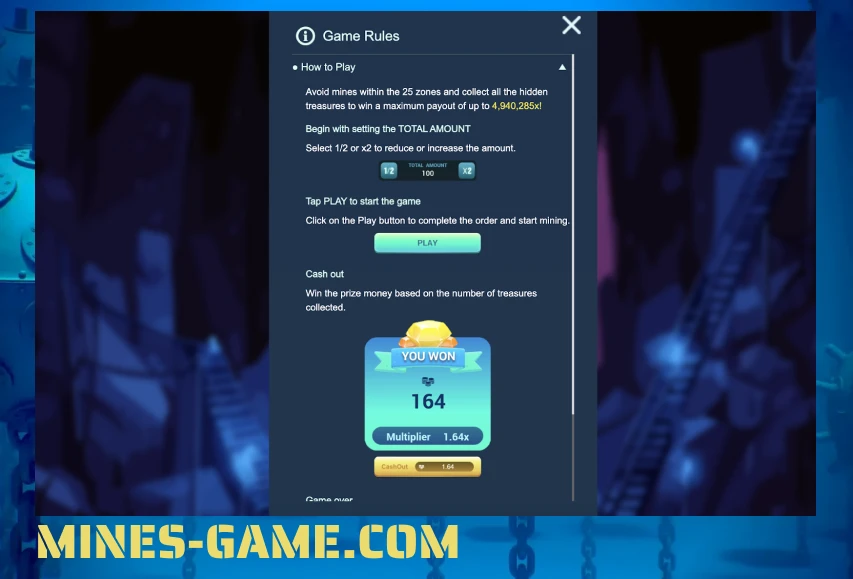
Why does attentiveness belong here? Start by considering what Turbo Mines demands from your brain. Each round displays a grid hiding multipliers and mines. You click to expose multipliers and grow a cashout value, but hitting a mine returns everything to zero. You’re trapped in a loop of evaluating risk, calculating odds, and weighing rewards. The pressure grows with each safe click, because the increasing potential loss gets heavier. This stress can trigger cognitive traps like loss aversion or the gambler’s fallacy. It can flood your system with stress hormones, making decisions based on hope or fear in place of the numbers on the screen.
Integrating Mindfulness during Extended Gaming
For enduring advantage, conscious awareness must become a regular practice, not merely a trick you try occasionally. Think of mental discipline as a trait that requires consistent training, both at the table and away from it. Certain players use a simple log to associate their attention levels with their performance. Some incorporate five minutes of meditation each day to improve their general awareness, which then carries over to the gaming table. The final aim is for that conscious pause to become a natural part of your decision-making process. Play becomes a intentional decision, not a compulsion. That’s how you cultivate a balanced, lasting bond with the game over time.
Applying mindfulness for Turbo Mines provides players a path to find mental clarity and emotional stability. The techniques shift the attention from random outcomes to the quality of the decisions you make. By centering yourself before you start, controlling feelings during gaming, and reflecting afterward, you establish a structured approach based on mindfulness. This helps reduce hasty decisions that hurt your play, and it fosters a more purposeful, annualreports.com balanced way of engaging in general.
