- Empty cart.
- Continue Shopping


The Nature of Chance in Casino Games
In the realm of casino gaming, chance plays a pivotal role, especially in games such as slots, roulette, and most card games. These games operate on random number generators or predetermined odds, establishing a framework where luck reigns supreme. For example, a spin of the slot machine produces results that are entirely dictated by chance, making it nearly impossible for players to influence the outcome through skill. If you’re interested in the mechanics behind these games, you can learn more about how they function and why this randomness is appealing to many, as it evokes the thrill of unpredictability and the possibility of life-changing wins.
Understanding the inherent randomness in casino games is crucial for players who wish to engage earnestly with these establishments. While some believe strategies can enhance their chances, the reality is that house edges and probabilities dictate the rules of these games. Consequently, those who rely solely on their skills may find themselves frustrated, as the luck factor consistently intervenes, often overshadowing their decision-making prowess. For instance, while a player might strategize how to place their bets in roulette, the outcome remains governed by an uncontrollable wheel.
Therefore, it is essential to recognize that while skilled gaming tactics can indeed improve one’s odds, they cannot eliminate the role of chance. As players embrace this paradox, they cultivate a deeper understanding of the complex relationship between skill and luck, enabling them to form more realistic expectations when stepping into a casino environment.
The Role of Skill in Certain Casino Games
Despite the significant role of chance, certain casino games allow for skill to emerge as a factor. Poker is a prime example where a player’s decisions, psychological strategies, and ability to read opponents can heavily influence the game’s outcome. Unlike most casino games that rely solely on luck, poker requires a combination of analytical thinking, emotional intelligence, and experience to master. Thus, players who dedicate time to honing their skills can gain a competitive edge, potentially increasing their chances of success.
Moreover, skilled players in games like blackjack can employ strategies such as card counting to tilt the odds slightly in their favor. While card counting is not foolproof and can be thwarted by casino countermeasures, those who grasp its nuances may find moments of advantage. This illustrates that skill, when effectively applied, can indeed provide opportunities to mitigate the impact of chance and enhance a player’s profitability over time.

However, it is essential for players to recognize that even in skill-based games, luck will always play a significant role. Over the short term, a lucky streak can propel any player to victory, while a skilled player may still face losses. This underscores the unpredictability of gambling dynamics, where even the most proficient can encounter downturns due to the inherent randomness of the games.
Strategies for Balancing Skill and Chance
Understanding the dynamic interplay between skill and chance is crucial for anyone looking to navigate the casino landscape effectively. Players should develop a well-rounded approach that incorporates both a solid grasp of the game mechanics and strategic betting techniques. For example, in games like baccarat, players can adopt a minimalist strategy by consistently betting on the banker, which statistically carries a lower house edge. Such strategies reveal how informed choices can enhance the potential for winning outcomes.
Another effective strategy is the importance of bankroll management. Players who understand their limits and set predetermined loss thresholds are better positioned to enjoy their gaming experience without falling prey to excessive risk-taking fueled by emotions. By prioritizing discipline, they can enjoy the thrill of gaming while minimizing the impact of chance on their finances, thereby balancing their skill set with the unavoidable unpredictability of casino games.
Additionally, continuous learning and adaptability are key components for success. Players who keep abreast of new strategies, trends, and changes in the gaming environment can embrace the evolving landscape of chance and skill. Those who remain stagnant may find themselves at a disadvantage, as the casino industry is constantly adapting to new player behaviors and preferences, making it vital for participants to evolve alongside it.
The Psychological Aspect of Gambling: Skill vs. Chance
The psychological dynamics of gambling play a significant role in determining whether skill or chance is perceived as the dominant factor. Cognitive biases, such as the gambler’s fallacy, can lead players to misunderstand probabilities, leading them to believe that their skills can overcome inherent randomness. This misperception can lead to overconfidence, where players may take unnecessary risks based on past outcomes rather than statistics.
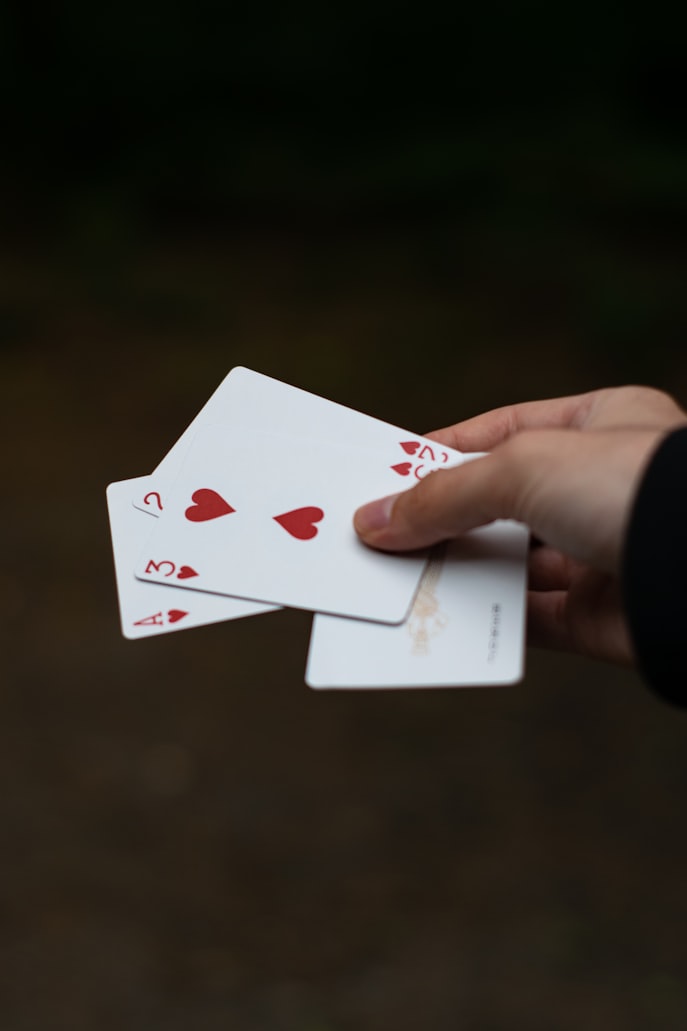
Moreover, the psychological thrill of gambling often entices players to chase losses, which can further cloud their judgment. Many players convince themselves that a streak of bad luck must inevitably be followed by a winning one. However, this mentality often disregards the fundamental nature of chance, ultimately leading to poor decision-making. Understanding these psychological aspects can empower players to make more informed, strategic choices during gameplay.
By recognizing the influence of psychological factors, players can better navigate their emotions and responses. This understanding fosters a more balanced approach, allowing them to acknowledge the role of skill while remaining aware of the vital element of chance. In doing so, they can refine their strategies and make more thoughtful choices, optimizing their gaming experiences in the process.
Conclusion: The Duality of Skill and Chance
In conclusion, the relationship between skill and chance in a casino setting is both intricate and multifaceted. While chance is an undeniable factor in most games, skill can influence outcomes, particularly in games that allow for strategic decision-making. By recognizing the interplay between these elements, players can cultivate a more realistic perspective on their gaming experiences and expectations.
As they engage with various games, players should actively seek to enhance their skills while remaining cognizant of the random nature of gambling. This balanced approach not only enriches the gaming experience but also empowers players to better manage their funds and mitigate risks. In acknowledging the duality of skill and chance, players can navigate the casino landscape with greater awareness, enhancing their enjoyment of the games.
Ultimately, whether one thrives through skill or chance, the experience of gambling offers moments of excitement and unpredictability. As players embrace both elements, they can appreciate the complexities of the games while fostering a deeper connection to the gaming world. This understanding can lead to more sustainable gaming habits and a more fulfilling experience in the vibrant environment of a casino.
